By Canooq Editorial on May 25, 2026
Estimated reading time: 8 minutes
How to Build Credit in Canada From Scratch (Without Going Into Debt)
A practical guide to building a strong credit score from zero, avoiding common mistakes, and unlocking better financial opportunities.
In this guide
A practical guide to building a strong credit score from zero, avoiding common mistakes, and unlocking better financial opportunities.
Why Your Credit Score Matters in Canada
Your credit score quietly affects a huge part of your life in Canada.
See also
Cashback Apps: What to Check Before Signing UpRead nextFEATURED
Ergonomic Mesh Office Chair
A comfortable adjustable chair with lumbar support that's perfect for long workdays.

★FEATURED

Interactive Brokers
Invest globally with low fees and professional tools built for serious investors.
Welcome Bonus15 minBonus
Up to USD 1,000 in IBKR stock
Conditions
Open an account through the referral link
When paid
Shares are awarded after qualifying deposits
Access
Stocks ETFs options and more
Welcome Bonus
Up to $1,000
A strong score can help you:
- Get approved for apartments
- Qualify for better mortgage rates
- Access premium credit cards
- Finance a car more easily
- Avoid large security deposits
- Improve approval odds for phone plans or utilities
If you are new to Canada, a student, or simply starting from zero, the good news is that building credit is actually very simple when you understand the rules.
See also
Referral Codes Without the AwkwardnessHow Canadians use referral bonuses strategically without annoying friends or breaking trust.Read nextWhat Is Considered a Good Credit Score?
In Canada, credit scores usually range from 300 to 900.
Here is the general breakdown:
- 300–559 → Poor
- 560–659 → Fair
- 660–724 → Good
- 725–759 → Very good
- 760+ → Excellent
For most people, reaching around 700 already unlocks most useful financial products.
The goal is not perfection. The goal is consistency.
The Fastest Way to Build Credit
The easiest strategy is surprisingly boring:
- Get a beginner credit card
- Use it for small normal purchases
- Pay it in full every month
- Repeat for 6–12 months
That is genuinely enough.
You do not need to carry debt or pay interest to build credit.
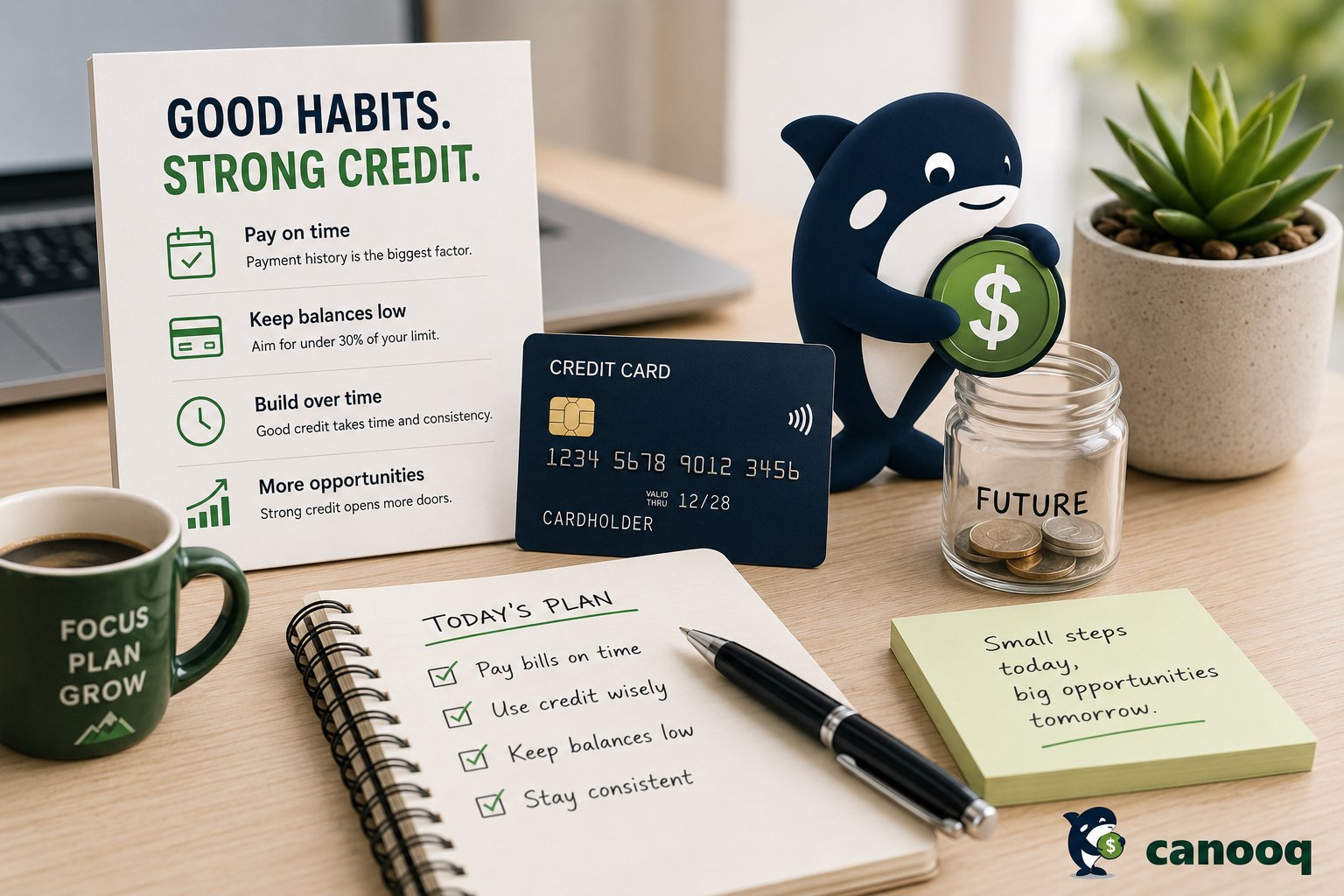
The 30% Rule (That People Misunderstand)
You may hear that you should “stay below 30% utilization.”
This simply means:
- If your card limit is $1,000
- Try not to report more than about $300 used
High utilization can temporarily lower your score even if you pay on time.
A simple trick:
- Use the card normally
- Pay part of it before the statement date
This keeps your reported balance low.
The Biggest Beginner Mistakes
Missing a Payment
Even one missed payment can stay on your report for years.
Set up:
- Auto-pay
- Calendar reminders
- Minimum payment protection
Applying for Too Many Cards
Every hard inquiry slightly impacts your score.
Do not apply to five cards in the same week.
Closing Old Cards
Your oldest accounts help your credit history length.
If a no-fee card is old, keeping it open is usually beneficial.
Best First Credit Cards in Canada
For beginners, the ideal card has:
- No annual fee
- Simple approval requirements
- Cashback rewards
- A reasonable starting limit
FEATURED
Wealthsimple Cash
Popular beginner-friendly account with cashback and occasional welcome offers for Canadians starting their financial setup.
FEATURED
Neo Financial Mastercard
Often easier approval for newcomers and students with strong cashback categories.
How Long Does It Take to Build Good Credit?
Approximate timeline:
- 1–3 months → credit file appears
- 6 months → first meaningful score
- 12 months → solid beginner profile
- 24+ months → strong long-term history
Consistency matters far more than intensity.
Extra Ways to Improve Your Credit
Keep Old Accounts Open
Age of accounts helps.
Increase Your Credit Limit Slowly
A higher limit lowers utilization percentage.
Diversify Over Time
Eventually having:
- A credit card
- A phone plan
- Maybe a car loan or line of credit
…creates a stronger profile.
Do not rush this step early.
Should You Pay Interest to Build Credit?
No.
This is one of the most common myths in personal finance.
Banks report:
- payment history
- utilization
- account age
—not whether you paid interest voluntarily.
If possible, pay your balance in full every month.
What Newcomers to Canada Should Do First
If you recently moved to Canada:
- Open a bank account
- Apply for a starter credit card
- Put one recurring payment on it
- Enable auto-pay immediately
Phone bills and secured cards can also help create your first credit history.
See also
Cashback Apps: What to Check Before Signing UpRead nextFinal Thoughts
Building credit in Canada is less about complicated strategies and more about avoiding mistakes.
The people with the strongest scores usually do the same simple things for years:
- Pay on time
- Keep utilization low
- Avoid unnecessary debt
- Keep accounts open
Start early, stay consistent, and let time do the heavy lifting.
Read more about saving:
See also